For over 40 years, we have helped thousands of businesses with their IT solutions for lasting success. We provide personalized IT solutions tailored to your diverse business needs.

Contacts

Minneapolis

952-715-3600

San Diego, CA

858-537-6045

Hollywood, CA

323-435-1318

Sacramento, CA

916-352-8792

Boise

1-800-381-9383

Rio Rancho

505-219-1694

Tulsa

918-508-2228

Conway

501-329-1238

Harvey

504-539-4160

Chicago

312-380-5339

Grand Rapids

616-575-8500

Vernon

740-652-3780

Frederick

301-682-5100

Reston

757-916-9723

Fairfield

973-830-2442

Fargo

701-893-4000

Iowa

+1 800-830-0112

Kansas

913-210-1950

Compliance Managed Services Security
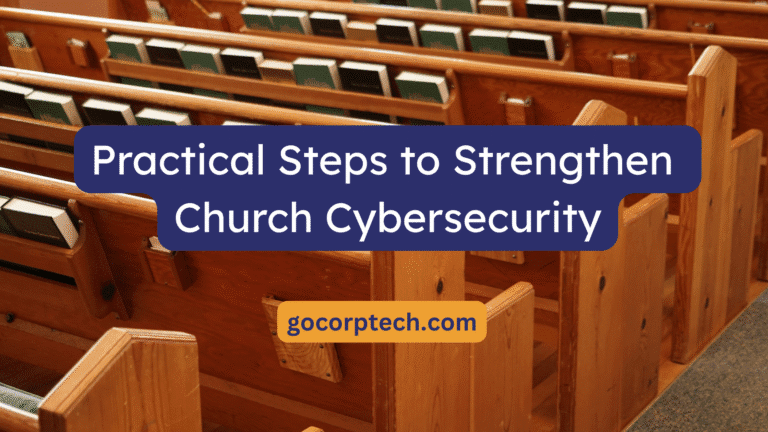
Church cybersecurity tips over wooden pews.

How Churches Can Protect Donor Data and Stay Compliant in the Digital Age

Nowadays, church data protection isn’t just some tech; it’s tied to something deeper. It’s about trust. It’s about doing things right. And honestly, it’s part of good stewardship, too. As churches lean more on online giving, streaming events, using cloud tools, and spreading the message digitally, they’re also gathering a lot of personal info. Stuff like donor names, how much they gave, their contact info, and sometimes, even things that touch on their personal or spiritual lives. Not only the big churches, but even small churches are dealing with this. You don’t need a fancy tech crew to start doing better. With the right tools and just a bit of direction, any church can tighten things up. So here’s where we’re heading with how churches can protect donor data and stay compliant in the digital age. Why Donor Data Protection Matters for Churches Whenever a church member donates online or signs up for a church activity, they’re sharing more than just a name or email. It could be card details, contact info, or even something personal about their faith. That’s what makes donor data compliance for churches so important. It’s not just about privacy. It’s about respect. When churches do their part and guard this information: How Can Churches Protect Donor Information? Here are a few steps to protect donor information Even basic church cybersecurity best practices can make a real difference. Things like teaching your staff what to look out for, keeping software updated, and making sure only the right people have access to sensitive info, they all work together to keep donor data protected. Common Risks Churches Face in the Digital Age Here are some of the top digital threats facing churches today: 1. Ransomware Attacks Hackers often view churches as easy targets. Outdated systems and limited security can leave your church vulnerable. 2. Phishing Scams One innocent click by a staff member or volunteer can expose sensitive data to attackers. 3. Data Leaks Without proper encryption and access controls, donor information can be leaked or stolen. 4. Compliance Violations Privacy laws like GDPR and CCPA apply to churches, too. Non-compliance can lead to a fine, even if unintentional. 5. Outdated Software Many churches still rely on spreadsheets or legacy systems. These tools can’t keep up with today’s security needs. Why Cybersecurity Should Be a Priority for Church Data Protection Cybersecurity’s not something churches can push aside anymore. A multi-campus church in Florida made a switch to a new donation system, hoping for better tools. But weak security opened the door to a phishing attack. Donor info got leaked. A few members even lost money through fake emails. They reached out to Corporate Technologies, and we stepped in quickly. Helped them lock down the system, added the right protections, and trained their team. It didn’t take long, within months, trust was back. Online giving went up by 20%. That’s the thing. A strong plan doesn’t just prevent problems. It shows people you’re serious about protecting them. 6 Practical Steps to Improve Church Data Security 1. Switch to a Secure Cloud-Based System Switching to a cloud system isn’t just about storage; it’s about safety too. The good ones come with encryption, permission controls, and backups built in. Just make sure it has two-factor login, so only the right people get in. 2. Train Staff and Volunteers in Cybersecurity Human error is a top cause of data breaches. Educate your team to: 3. Encrypt Sensitive Data All donor information, emails, payments, everything—should be encrypted. Whether it’s being sent or just sitting in a file, encryption helps keep it safe from the wrong hands. 4. Schedule Regular Backups Set automatic backups for donor records, financial files, and even sermon notes. Store them somewhere secure and not just on-site. One backup can save you from a big mess. 5. Conduct Annual Compliance Reviews Don’t assume data laws skip over churches. Rules like GDPR and CCPA still count. A yearly review helps you stay on track and avoid problems later on. 6. Partner with an IT Provider That Understands Churches You don’t need your IT team. A trusted partner, like Corporate Technologies, can handle backups, security checks, and compliance. We’ve helped churches stay safe without overcomplicating things. What Happens If Churches Ignore Donor Data Security? Failing to protect data can damage a ministry more than you might think: How Can Churches Keep Online Donations Safe This is how churches can keep online donations safe: These steps help ensure trust and secure giving. How to Begin Protecting Donor Data Today Start with a basic internal review: Then take these first steps: You don’t have to do it all alone. Get expert help from an IT provider who understands church needs. Final Thoughts The digital world’s opened a lot of doors for churches. New ways to reach out, grow the ministry, and serve people better than before. But with all that good, there’s more to protect now, too. Donor data isn’t just some tech detail anymore; it’s become a real part of how ministry works today. When a church steps up and takes security seriously, it’s not just protecting systems; it’s showing that trust matters. The kind of trust people give when they support, give, or just stay connected. That’s where Corporate Technologies fits in. Whether your systems are old and need fixing, or you’re just starting to figure things out, we’re here to help you move forward with less guesswork. So let’s build something stronger for your ministry. FAQs

Compliance Security
3D character with data privacy theme.

Ensuring Data Privacy in Charter Schools

Data privacy in charter schools isn’t just some admin thing anymore. It’s a real responsibility now. These schools deal with all kinds of personal and academic info, student names, birth dates, attendance records, behavior reports, even health stuff. Keeping this data safe means ensuring it doesn’t get misused, leaked, or accessed by unauthorized individuals. With the increasing use of technology in classrooms and offices, privacy has become even more critical. It’s not just about having rules in place. It’s about actually following them and understanding why they matter. Because once that info is out, there’s no taking it back. So, data protection needs to be a top priority. Why Is Data Privacy Important in Charter Schools? It helps students, parents, teachers, and even the admin staff. When data is protected, it builds trust. Parents feel better knowing their kids’ information isn’t just floating around or ending up where it shouldn’t be. It also keeps the school on track with rules like FERPA (Family Educational Rights and Privacy Act), which is the law that gives students certain rights over their education records. Following stuff like that isn’t optional. It’s part of running things the right way. Strong privacy protections also prevent potential cyberattacks, which can have long-lasting effects on student safety and school reputation. How Charter Schools Are Strengthening Data Privacy In 2023, more than 1,000 schools across the U.S. faced data breaches, many involving private student info. For charter schools, keeping data safe isn’t optional anymore. With support from the right tech partners like Corporate Technologies, many schools are shifting to cloud-based platforms, setting up multi-factor logins, encrypting sensitive information, and running regular system audits. These aren’t just fancy upgrades. They help schools stay ahead of threats and keep operations running smoothly. Having a reliable tech team makes all the difference. It’s not just about fixing problems, it’s about building systems that prevent them from happening in the first place. What Are the Main Threats to Data Privacy in Charter Schools? Here’s a quick breakdown of the main risks schools need to watch out for: How Can Charter Schools Improve Their Data Privacy? To deal with these risks, schools need a solid plan. First off, every staff member should know how to handle data properly. That means some basic training, stuff like spotting phishing emails, using strong passwords, saving files in secure cloud spaces, and only using apps the school approves. Next, don’t let just anyone access all the info. Only give access to the people who actually need it for their work. Also, doing regular data checks is a smart move. Audits and system scans help find weak spots before they turn into big problems. And one more thing, having clear rules for how data gets handled (and who’s in charge of what) makes a big difference. Keeps everyone on the same page and helps avoid mistakes. When Should Data Privacy Measures Be Updated? Data privacy rules can’t just stay the same forever. They need to change as technology changes and new threats pop up. Charter schools should check and update their privacy steps at least once a year. And if there’s ever a security problem or new digital tools get added, updates should happen right away. Take new learning software, for example. Before using it, the IT team should look closely at how it handles data. They need to make sure it fits with the school’s policies and privacy laws. So, doing updates on time helps stop old systems from turning into easy targets for hackers. Can Charter Schools Afford Strong Data Security? Yes, they can. Some people think only big schools can pay for top security, but that’s not true. There are lots of affordable and even free tools out there for schools. Take Google Workspace for Education, for example. It comes with built-in security features that help keep data safe. Plus, there are government grants and nonprofits that provide money and training to help schools boost their cybersecurity. Spending on data privacy isn’t just an extra cost. It’s something schools need to do to protect their reputation and avoid bigger problems down the line. Does Strong Data Privacy Affect Learning? Absolutely. When data is secure, it helps learning happen better. If students and parents trust the digital tools the school uses, they’re more likely to take part in online assignments and stay connected. Teachers don’t have to worry so much about tech problems or data issues. They can focus on teaching instead. On the other hand, a data breach can mess things up, disrupting classes, lowering morale, and causing downtime while everything gets fixed. So, having a safe digital space matters just as much as keeping the physical classroom safe. How Does Corporate Technologies Help Charter Schools with Data Privacy? Corporate Technologies helps charter schools build strong and secure systems. We work on privacy policies, set up security software, and run compliance checks. Our experience makes sure schools don’t just meet legal rules but also use smart strategies to keep students and teachers safe. With workshops and ongoing tech support, we help schools build a digital foundation that lasts and works well. Implications of Ignoring Data Privacy in Charter Schools Ignoring data privacy can cause some serious trouble. Schools might get into legal hot water, face fines, or even lose their accreditation if they don’t follow privacy laws. Data breaches can also put students and staff at risk, like identity theft or other personal harm. But maybe the worst part is losing the trust of parents and the community. Once that trust is gone, it’s really hard to get it back. Parents might take their kids out, staff morale could drop, and fewer families might enroll in the future. Does Investing in Data Privacy Pay Off? Yes, putting money and effort into data privacy brings real benefits over time. Schools that focus on protecting data usually see happier parents, more confident staff, and fewer tech problems. They also shine during audits, when applying for grants,

Compliance Onsite support
Dental IT support advertisement with medical professional.

7 Signs Your Dental Office Needs Professional IT Support

Running a dental office today means more than just giving great care; it also means dealing with a bunch of tech. There are digital X-rays, appointment software, patient records, billing systems, all kinds of stuff that need to work together without falling apart. Your IT setup holds it all in place, even if you don’t always notice it. But how do you know when it’s time to bring in outside help? Here are seven signs your dental office could benefit from professional IT support. 1. Frequent Downtime or System Freezes When your team keeps restarting computers or waiting forever for something to load, that’s not just annoying, it’s a problem. If your software decides to crash right in the middle of an appointment? That’s worse. It’s not just time you’re losing, patients notice. And they don’t always forget. These kinds of issues mess with the flow. The staff get frustrated, things get delayed, and stress just builds up. That’s not what anyone signed up for. With proper IT support, though, things start to change. Your systems get maintained the right way, updates don’t get ignored, and problems get spotted before they explode. It’s not about fixing stuff after it breaks; it’s about keeping it from breaking in the first place. 2. Concerns About Data Security and Compliance Dental offices handle a lot of sensitive info, medical histories, insurance stuff, billing records. It’s all private, and it all needs to be protected. One breach, and it’s not just about damaged trust, you could be facing legal issues, big fines, and a whole lot of stress you didn’t ask for. If you’re not 100% sure your systems are up to date with HIPAA rules, or you’re still running that old antivirus from who-knows-when, then yeah, it’s probably time to call in the pros. IT experts bring the full setup of: They help you stay compliant. Because when it comes to patient data, “probably secure” just isn’t good enough. You can also review how to safeguard your dental office for practical steps on tightening your digital defenses. 3. Lack of Regular Backups and Recovery Plans You don’t think about it until you’re stuck. If you lose all your patient data because of a power cut, server crash, or some nasty ransomware. Would you be able to bounce back? Or would everything just stop? If there’s no real plan for backing up and recovering your files, that’s a big red flag. Stuff happens, and when it does, you need to be ready, not scrambling to figure out what to do. Without a proper disaster recovery strategy, you’re gambling with everything. A solid IT team sets up automatic backups, stores them safely, and makes sure your data can be restored fast. It’s about keeping your practice running, no matter what hits. 4. Outdated Hardware or Software Slowing You Down If your computers still run on older systems, or your imaging software takes to load, that’s not just a small delay, it’s a daily slowdown. And when staff start saying, “Let’s just do it manually, it’s quicker,” you know the tech’s holding you back, not helping. Old hardware and outdated software don’t just kill your speed, they bring along security issues and compatibility headaches. New dental tools and systems often need newer setups to work right, and without that, you’re stuck trying to make things fit that just don’t. Outdated tech also opens doors to security issues and compatibility headaches. That’s where smart upgrade planning comes in—keeping things efficient without burning your budget. 5. Increased Reliance on Cloud-Based Systems without Proper Setup Cloud systems are super convenient, scheduling, charting, messaging, it’s all just a few clicks away now. But here’s the thing: if the setup’s not done right, it can do more harm than good. If you’re using cloud software in your dental practice but don’t have stuff like: You might be walking into risks you didn’t even know were there. IT professionals know how to tighten things up. They’ll secure your dental office‘s cloud systems, make sure your internet doesn’t leave you stranded, and help staff work from anywhere safely. 6. With Growth Comes Increased IT Demands Growth’s exciting, it means your practice is doing something right. But with more patients, new staff, maybe even a second location, the tech side starts feeling a little stretched. What used to work just fine suddenly feels too small, too slow, or too messy. You’ve got more devices, more data, more moving parts. And if you’re trying to juggle all that without proper IT support, things can get tangled real quick. That’s when patchwork fixes start popping up. IT pros help you grow smart. They add new workstations, beef up your network, and make sure new team members have what they need from day one. So instead of chasing problems, you’re staying ahead of them, while your practice keeps leveling up. 7. Your Staff is Spending Too Much Time Fixing Tech Issues Your front desk team and dental assistants didn’t sign up to fix tech problems. But somehow, they end up as the go-to tech support, dealing with everything from printer jams and login problems to Wi-Fi going down at the worst times. With the IT support for dental offices, your team gets a helping hand without skipping a beat. Instead of trying to fix glitches, they can just reach out for help and get back to what they do best, providing excellent care. Don’t Let IT Hold Your Dental Practice Back Your dental practice deserves top-notch IT, just like it provides top-notch patient care. Technology should be your ally, not a source of frustration, slowdowns, or security headaches. If even a couple of the signs above feel all too familiar, maybe it’s time to team up with an IT provider like Corporate Technologies, who gets all this. At Corporate Technologies, we specialize in dental practices and know your challenges. We’ll give solutions that make your tech work for you, not against you. From keeping things running

Compliance IT Solutions Onsite support
Person using laptop, dental practice software text.

Top Dental Practice Software and Why Specialized IT Support is Essential for Long-Term Success

Modern dental clinics don’t use paper charts anymore. Today, dental practice management software (DPMS) like Dentrix, Eaglesoft, Open Dental, etc, run the show, handling appointments, digital imaging, and insurance claims. But just installing the software isn’t enough. Without solid IT support, even the best systems can crash, slow things down, or put patient data at risk. That’s why strong IT support for dental offices matters. It keeps the software running, protects your data, and helps staff avoid tech headaches. In this article, we’ll look at top dental software systems and the tech support they need to keep your clinic running like a well-oiled machine. Popular Dental Practice Software Solutions in the Market Let’s take a closer look at the most widely used dental software platforms, and what makes each unique. 1. Dentrix Dentrix is kind everywhere these days. Built by Henry Schein, it packs a full set of tools for charting, imaging, billing, and even reporting. It’s like an all-in-one system that many clinics rely on daily. 2. Eaglesoft Eaglesoft, made by Patterson Dental, is another big name in the dental world. A lot of clinics like it because it’s easy to use and handles imaging well, making the whole workflow feel smoother. 3. Open Dental Open Dental’s been picking up traction lately, especially with clinics that like having more control over their systems. Since it’s open-source, you can tweak it to fit how your practice works, which is a big win for some. 4. Curve Dental Curve Dental’s a bit of a game-changer for clinics that don’t wanna mess with servers. It’s 100% cloud-based, which means you can log in from pretty much anywhere, as long as you’ve got internet. Why IT Support is Crucial for Dental Practice Software A lot of people think once you’ve got your dental software installed, you’re all set. Like it’s plug-and-play forever. But it’s not that simple. These systems lean heavily on the IT setup around them, and without solid support, even the best software can end up causing more stress than solutions. 1. Software performance ain’t just about the software You could be using the fanciest system out there. However, if your computers are old, your network is slow or not configured right. Everything crawls. Front desk gets delayed, treatment rooms get backed up, it’s a mess. Solution: Keep an eye on performance, upgrading hardware when needed, and making sure your network’s tuned up. 2. Patient data needs more than just passwords We’re talking medical records, billing info, X-rays, all super sensitive. If your IT security is weak, ransomware or a breach could hit hard. Solution: Firewalls, antivirus, encrypted systems, and yep—training the team so nobody clicks on shady emails. 3. Backups aren’t optional anymore If your server crashes and a whole week’s data disappears. Not just bad for business, it could land you in hot water compliance-wise, too. Solution: Daily backups (onsite and cloud), and a recovery plan so you’re never starting from scratch. 4. Updates can break things if you’re not careful Vendors love pushing updates for better performance and new features. But if your system’s not ready, things can crash or stop working right after. Solution: Test updates first, then roll them out when everything checks out. 5. HIPAA’s not a suggestion When you’re running digital records, you’ve to prove you’re protecting patient info. Access controls, secure storage, and audit logs are all part of the process. Solution: Regular audits, managing who can access what, and making sure your systems stay within HIPAA lines. The Role of a Specialized IT Provider You know, most small shops or offices can get by with just basic IT help, someone to fix the Wi-Fi or reboot a stuck printer. But a dental clinic? That’s a whole different thing. There’s imaging equipment, intraoral cams, billing software, and patient charts, all of which need to talk to each other smoothly. That’s why clinics don’t just need any IT team. They need one that gets dental. Visit Corporate Technoloies, we’re not just tech experts, we understand how a dental practice runs. And that changes everything. 1. Understanding Clinical Workflow Not every IT person understands that a dentist, a front desk person, and a hygienist all use the software differently. One’s charting, one’s scheduling, one’s handling billing. When your IT partner knows how each role fits into the puzzle, they can make the tech fit the workflow. 2. Integrating Third-Party Tools You’ve got digital X-rays, card machines, patient reminders, e-prescriptions, and they all need to connect with your main software. Regular IT folks might struggle. But Corporate Technologies has been there, done that, and knows how to make it seamless. 3. Remote Monitoring and Support Ever had a system crash right before a big day of appointments? That’s why remote monitoring matters. Dental IT providers catch problems before you even notice, and when stuff breaks, we’re ready with fast, real-time support. 4. Scalable Solutions Adding more chairs? Hiring new staff? Opening a second location? A good IT team doesn’t just keep up; they plan. More storage, better security, stronger systems, whatever you need, we scale it quickly. Dental clinics don’t need generic IT help. They need someone who knows the tools, the flow, and the stakes.  AT Corporate Technologies, we built our service around the real needs of practices like yours. Bottom Line Dental software offers more control and automation, but it only works well with a strong IT foundation. Investing in expert IT support not only avoids downtime but also protects against cyber threats, compliance issues, and tech changes. Whether you’re using Dentrix, Eaglesoft, or another platform, partnering with Corporate Technologies ensures your systems stay secure and future-ready. See Also Compliance Checklist for Dental Offices Cloud Solutions for Small Businesses in Illinois

Compliance Security
Safeguarding your dental practice.

Why Dental Practices Are Prime Targets for Cyberattacks and How to Safeguard Your Practice

Most dental offices don’t see themselves as targets. After all, they aren’t massive corporations. No high-stakes secrets. No billion-dollar bank accounts. Just teeth, right? Think again. Dental practices have quietly become one of the most attractive targets for cybercriminals, and the threat is growing. From patient data theft to ransomware attacks that lock you out of your systems, hackers are knocking at the door. Unfortunately, many dentists don’t hear the knock until it’s too late. So why are cybercriminals so interested in dental clinics? And more importantly, what can you do to stop them? Let’s break it down. Why Hackers Are Targeting Dental Practices 1. Rich in Data, Weak in Defense Dental offices collect more personal information than you might realize: names, addresses, Social Security numbers, insurance records, medical history, and even payment details. To a hacker, a dental office is a low-risk, high-reward target. They can breach the network, steal patient records, or hold data for ransom, often without encountering serious cybersecurity defenses. Large hospitals have dedicated IT teams. Dental practices often don’t. That’s where the vulnerability lies. 2. Smaller Budgets Mean Fewer Protections Cybersecurity takes planning and investment. Firewalls, endpoint protection, and encrypted backups are all necessary, but often overlooked due to budget concerns. Many small practices still rely on outdated software, weak passwords, or generic antivirus programs. Some even assume that being “too small to target” is a safety net. But for hackers, these assumptions are like flashing green lights. 3. Ransomware Is Easy Money Ransomware has been on the rise, and dental clinics are getting hit hard. Here’s what happens: A hacker sneaks in, installs malicious software, and locks all your files. Suddenly, you can’t get to patient records, X-rays, or even your schedule. Everything stops. Then comes the message, “Pay up, or lose everything.” For a small dental office, paying the ransom might seem like the only way out. And that’s exactly what attackers bank on. 4. Weak Access Controls and Password Practices Access control is often weak in dental clinics. Sometimes, all staff use the same login. Same password, too. That’s risky. Passwords are often simple or reused. Rarely updated. That makes it easy for hackers to break in either by guessing or tricking someone. To stay safe, clinics should use proper logins for each person, limit access based on roles, and follow good password habits. But many skip this. Usually ’cause they’re busy. Or they just don’t know it matters. 5. Email Phishing and Social Engineering Phishing is still a big threat. A normal-looking email pops in. A staff member clicks a link or opens an attachment, and the system’s compromised. Dental offices don’t always have proper training. So it’s easy to fall for these tricks. Sometimes, it’s not even email. Someone might call, pretending to be from a partner or supplier. They ask for login info or access, and staff might trust them without thinking twice. That’s how data gets stolen. The Regulatory Burden: HIPAA and Beyond Dental clinics have a duty by law to keep patient information safe. HIPAA has strict rules about how data should be stored, shared, and accessed. If a cyberattack leaks patient data, it can lead to big fines, investigations, and harm to your practice’s reputation. And it’s not just big hacks. Something as small as using an old laptop without protection or leaving backups unencrypted can land you in trouble. Download the full Dental IT HIPAA Compliance Whitepaper (PDF) Regulators want proof you’re being careful. That means written rules, regular checks, and a plan if something goes wrong. So cybersecurity isn’t just tech stuff. It’s a legal thing, too. How to Protect Your Dental Practice from Cyber Threats Cybersecurity doesn’t need to be complicated. With the right plan and support, your practice can be well-protected. Here’s what matters most: 1. Use Managed IT Services You didn’t become a dentist to configure firewalls. Partnering with a Managed IT provider ensures professionals monitor your systems, update your software, and protect your data 24/7. It’s like hiring a bodyguard for your digital office. At Corporate Technologies, we offer customized solutions specifically for healthcare and dental clients, ensuring compliance with HIPAA while defending against evolving cyber threats. Check out the “What to Look for in a Managed IT Provider for Dental Offices” article to make a more informed choice. 2. Encrypt Patient Data Whether your data is stored on your office computer or sent via email, encryption is non-negotiable. It ensures that even if attackers gain access, the information remains unreadable. All sensitive files, medical histories, billing, and insurance should be encrypted at rest and in transit. 3. Prioritize Consistent and Secure Data Backups One copy of your data is not enough. You need automated, secure, and off-site backups because if your office is infected with ransomware, local backups might get corrupted too. Off-site backups allow you to recover your systems without paying a ransom. Daily backups are ideal. Test your restoration process regularly. 4. Train Your Staff Believe it or not, most cyber breaches happen because of human error. Someone clicks a fake link. Downloads a sketchy attachment. Falls for a phishing email. Regular cybersecurity training for your staff can prevent these mistakes. Make it part of your culture. Even a 15-minute monthly session can reduce your risk dramatically. 5. Implement Multi-Factor Authentication (MFA) MFA adds a second layer of security, like a verification code on your phone when logging in. Even if a hacker steals your password, they can’t get in without the second step. Most modern systems support MFA. If yours doesn’t, it might be time to upgrade. 6. Stay HIPAA Compliant HIPAA isn’t just about keeping records tidy. It’s about protecting patient rights. Conduct a regular risk assessment, document your safeguards, and make sure your systems and vendors (like cloud providers) meet compliance standards. A HIPAA violation isn’t just a fine, it’s a trust issue with your patients. Final Thoughts: Don’t Wait Until It’s Too Late Hackers don’t care how good you are with a

Compliance IT Solutions
Choosing a managed IT provider for dental practices.

What to Look for in a Managed IT Provider for Your Dental Practice

Running a dental practice isn’t just about crowns, cleanings, and checkups anymore. These days, there’s a whole digital side to the business. You’re managing patient records, appointment bookings, imaging software, and billing platforms—all running on tech that needs to work right. And when it doesn’t? Things fall apart fast. That’s why having a managed IT provider isn’t a luxury anymore. It’s a must. But here’s the thing—not all IT providers are built for dental. Dental clinics have very specific needs. You’re working with sensitive patient data. You’ve got HIPAA and other compliance stuff to worry about. And let’s be honest—there’s no room for tech downtime when you’ve got a full schedule and patients depending on you. Let’s break down what you should be looking for in a Managed IT partner—one that’s built to support your dental clinic long-term. 1. Proven Experience in the Dental Industry Not every IT provider understands dental. There’s a ton of MSPs out there. Plenty of them know servers, networks, and the usual tech stuff. And the managed IT in a dental practice is completely different. You’re not using off-the-shelf software. You’re running tools like Dentrix, Eaglesoft, and Open Dental, and they don’t leave much room for guesswork. You need someone who’s been there. Who’s dealt with the random glitches after a software patch. Who knows what happens when imaging files don’t sync right. Who can update your system without shutting your whole day down. It’s not just about keeping the Wi-Fi up. It’s about understanding how everything ties together—from front desk scheduling to the digital x-rays in the back. Go with someone who’s done this before. Your team, your patients, your sanity—they’ll all thank you for it. 2. Understanding of HIPAA Compliance This one’s a big deal. Like, no room for error, big. If your IT provider isn’t 100% solid on HIPAA, Walk away. You’re handling sensitive patient info every single day. One slip—just one—and you’re looking at fines, legal mess, maybe even patients losing trust. Not worth it. So choose an IT company that not only secures your data but also helps you actively stay compliant. This includes: They should be there when stuff gets real, like audits or when policies shift. Not just ticking boxes. A solid IT partner goes beyond the basics. They help you stay ahead, not just play catch-up. 3. Real-Time Monitoring and Fast Support Downtime is too costly. Every minute your system’s down, you’re losing appointments, making patients mad, and risking revenue. A good IT provider may have got your back 24/7. System monitoring, fast support—emergency fixes in under 15 minutes. Make sure they’ve got SLAs (Service Level Agreements) that lay out how quickly they’ll respond. And don’t just ask about when they’re available. Ask how fast they fix things. A provider who can spot and solve issues before they impact your staff is worth their weight in gold. 4. Scalable Services That Grow with You Right now, you might be a solo dentist. But what about next year or five years from now? As you grow—more staff, more locations, more patients—your IT needs will change. Your IT provider should be ready for that. They should offer flexible, scalable solutions so you don’t have to find a new partner every time you expand. Workstations, servers, cloud solutions, remote teams—whatever it takes, they should be on it. Ask them how they’ve helped other dental practices grow. And look for real case studies, not just empty promises. 5. Cybersecurity Expertise Tailored to Healthcare Doesn’t matter if you’re a one-chair clinic or a full-blown dental center—cyber threats don’t discriminate. Smaller practices are hit more often because they are seen as easier targets to break into. Your IT partner should go beyond firewalls and antivirus software. They should provide: Having a solid security plan ain’t optional anymore. It’s just something you gotta have if you’re running a dental practice in today’s tech-heavy world. 6. Cloud Solutions and Data Backup Strategy Cloud’s making things smoother for dental clinics, like sharing records or storing scans. But if it’s not done right, it can cause more problems than it solves. The ideal IT provider offers cloud solutions that: More importantly, they should walk you through your disaster recovery plan. What if a server crashes or files get messed up? How fast can they get everything back up and running? If they’ve got clear answers, you know they’ve thought it through. 7. Onsite and Remote Support Options Most issues can be fixed remotely, but some require a hands-on touch, such as setting up new gear or fixing physical network problems. You want an IT partner who does both remote and on-site support. Ideally, they’re local or have techs who can get to your clinic fast when you need them. Proximity isn’t everything, but when your X-ray machine isn’t connecting and a patient is waiting, you’ll appreciate a quick on-site visit. 8. Transparent Pricing with No Hidden Fees Running a dental practice means working with a tight budget, so you need an IT provider who’s crystal clear about what you’re paying for. Ask for a clear breakdown—setup, licensing, support, upgrades, emergency responses. Watch out for companies offering just a flat monthly fee without saying what’s covered. The right provider will create a plan that works for your size and budget. And they’ll let you know right away if something’s not included in the deal. 9. Vendor Management Support Managing vendors—software companies, internet providers, phone services—it’s a lot of work. A good Managed IT partner should take that off your plate. They’ll talk to your software vendors, fix tech issues for you, and handle upgrades or repairs—so you’re not stuck in the middle every time something goes wrong. It might seem small, but it makes a huge difference in how smoothly your day runs. Final Thoughts: Choose a Partner, Not Just a Provider A dental office isn’t just any workplace—it’s a mix of healthcare, customer service, and tech precision. That’s why we’re not just any tech company. We

Compliance
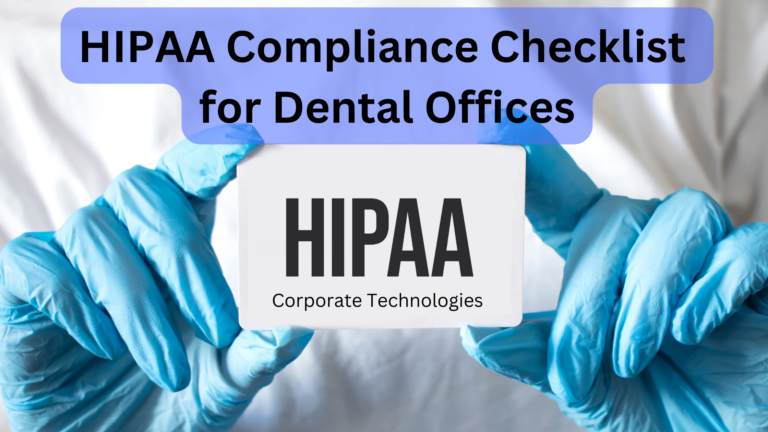
HIPAA compliance checklist for dental offices.

HIPAA Compliance Checklist for Dental Offices: What You Must Know

Patients trust you with personal information, health history, insurance details, and more. This is Protected Health Information (PHI), and if it’s mishandled, it can lead to legal issues and fines. That’s where HIPAA (Health Insurance Portability and Accountability Act) comes in. It’s a lot to manage, but with this simple checklist, you can protect your patients, stay compliant, and avoid the overwhelming. This checklist simplifies HIPAA for dental offices, helping you protect patient data, stay compliant, and be audit-ready. Understand Your HIPAA Responsibilities Before you dive into HIPAA compliance, you’ve got to know what you’re working with. It’s not just random rules—it’s about how you handle patient information, especially the sensitive stuff. For dental offices, there are two main rules that matter most. Once you understand these two? You’ve got the basics covered. Everything else builds from here. Conduct a Formal Risk Assessment One of the most critical steps, yet often overlooked, is performing a risk assessment. This is not just a recommendation but a HIPAA requirement. It’s how you find weak spots in how PHI is stored, accessed, or shared—both on paper and online. This includes both physical and digital records. Your risk assessment should evaluate: Draft Comprehensive HIPAA Policies Having clear, written HIPAA policies is a must. They’re your first layer of protection if an audit ever happens. These policies show how your dental office handles PHI—during treatment, admin work, and Your documentation should include: Train Your Entire Team Everyone in your dental office—front desk, hygienists, even part-time help—needs HIPAA training. If they handle patient info, they need to know the rules. Training should cover: Training should be continuous, with documented refreshers for audit review. Enforce Strong Access Controls Not everyone in your office needs access to every patient record. Limit access based on job roles. It reduces the chances of accidental mistakes or intentional breaches—keeping your patient data safer. You should: Secure Electronic Devices and Communication Channels Dental offices use EHRs, cloud systems, and communication tools daily. Make sure these technologies are secure. It’s about protecting patient data and keeping your practice safe from cyber threats. Your digital safeguards should include: Also, be cautious with devices like smartphones or tablets used in the clinic. They should be password-protected and wiped clean before being reused or disposed of. Access the Holistic Compliance Checklist for Dental Practices (PDF Whitepaper) Use HIPAA-Compliant Vendors Only Many dental offices outsource things like billing, cloud storage, IT, or scheduling If these vendors access patient info, they must be HIPAA-compliant too. You’re responsible for their actions, so make sure they follow the rules. This requires you to: If you don’t secure the right agreements, you could be held liable for their mistakes. Always check thoroughly before bringing a third-party service on board. Protect your practice by doing your due diligence. Prepare for Data Breaches Even with solid security, things can go wrong. That’s why HIPAA wants you to have a breach response plan ready. Act fast, follow the steps, and you’ll limit the damage—and show regulators you take compliance seriously. Your breach response plan should include: Keep this plan updated and test it periodically, just like you would a fire drill. Manage Paper Records Carefully Even as dental practices go digital, many still use or store paper records, and they need just as much protection as electronic data. To stay HIPAA-compliant, follow these steps: Remember, a HIPAA violation doesn’t always involve hackers. Sometimes, it’s as simple as a file left out on a desk. Perform Regular Reviews and Updates HIPAA compliance isn’t a one-time task. It needs regular attention to make sure your safeguards and policies still work. Create a regular review schedule that includes: Things change—tech, staff, rules. Staying on top of it all helps you stay compliant and avoid panic during audits. Work with a Professional Compliance Partner Running a dental office is hard. Add HIPAA to the mix? It gets tougher. You’re not just looking after teeth—you’re guarding sensitive info like patient records, insurance details, and all of it. And honestly, managing compliance alone? Feels like climbing uphill with weights tied to your feet. That’s where we step in. At Corporate Technologies, we know the process. We’re not just here to install software and walk away. We partner with dental practices like yours to build strong, secure systems from the ground up. We handle the messy stuff—risk assessments, data backups, locked-down communication tools—all tailored to fit your clinic’s size and workflow. So while you focus on what you do best—taking care of patients—we’ll take care of the tech, the security, and the HIPAA headaches. Bottom Line HIPAA isn’t just paperwork. It’s protection—plain and simple for your patients and practice. As cyber threats are real and regulators aren’t looking the other way, ignoring compliance isn’t just risky—it’s dangerous. One slip, one breach, one forgotten rule… and trust goes out the window. This checklist? It’s more than a to-do list. It’s your starting point to build something stronger. A practice where patient privacy isn’t just a policy—it’s part of the culture. If you’re ready to simplify compliance and secure your dental office, contact Corporate Technologies today. We’ll help you cut through the confusion and lock down compliance with clarity. See Also Compliance for New Jersey Businesses Cost of Downtime for Businesses

Compliance IT Solutions Managed Services
Smart compliance for NJ businesses.

Smart Compliance Starts Here: How New Jersey Businesses Stay Ahead

In today’s digital world, data isn’t just valuable—it’s what keeps businesses alive. Customer info, internal messages—every bit counts. IT compliance for businesses in New Jersey, especially in places like Fairfield, isn’t just a good idea. It’s a must for survival and growth. IT compliance? It might seem like a headache or just more rules. But really, it’s about keeping things running smoothly, building trust, and avoiding big fines. The thing is, many businesses still treat it as a “we’ll get to it later” task. But in Fairfield, that’s changing. Forward-thinking companies, with help from partners Corporate Technologies, are already ahead—treating compliance as part of the strategy. Understanding the Real Value of IT Compliance When most business owners hear “compliance,” they often Feel like just another checklist, right? Are we following HIPAA? CCPA? PCI-DSS? Did we even look at our cybersecurity policy this year? But here’s the thing—absolute IT compliance? It’s way more than ticking boxes. It’s about doing things right. Aligning your tech with laws. But also with smart practices. It’s handling data carefully. Controlling access. Managing risks. Being clear about how things work inside your systems. In New Jersey, the stakes are higher. The state’s pushing hard on privacy laws. Plus, you’ve got big neighbors—New York City and Philadelphia. That means more pressure. More expectations. For companies in Fairfield, compliance isn’t just about not getting fined. It’s about showing up strong. Playing in the big leagues. And making sure your business doesn’t fall behind. With Corporate Technologies as a partner, businesses aren’t left guessing what compliance means. They’re guided step-by-step through requirements, solutions, and upgrades tailored to their size, sector, and risk profile. Fairfield’s Growing Business Scene—And the Compliance Risks That Come With It Fairfield, NJ, might not be as big as Newark or Jersey City, but don’t let that fool you. The businesses here are as diverse and dynamic. You’ve got everything: family-run shops, big-time manufacturers, and logistics teams moving fast. Fairfield’s got hustle. But as it grows, it brings a mess. More tech. More rules. More risk. As local businesses go digital—taking payments online, working with out-of-state clients, using cloud systems—they’re stepping into a maze of compliance issues. And it’s a lot. Think of data privacy laws from other states. Or even different countries. Cyber threats aimed at smaller businesses. Vendors that don’t follow the rules. Remote teams with weak passwords. It adds up fast. That’s why Fairfield companies turn to Corporate Technologies. We’re local. And we get it. We help businesses grow smart—without slipping through the cracks. No fancy talk. Just solid protection that works. Key Compliance Frameworks Affecting New Jersey Businesses Businesses all over New Jersey have a lot to deal with when it comes to rules and regulations. And it’s not just local stuff. If you’re serving clients in other states or online, the list gets longer. Here are some frameworks you should know about: Each of these has its focus, but they’ve got a few things in common: protect data, stop breaches, control who has access, and be ready to report when things go wrong. Common Compliance Pitfalls—and How to Avoid Them A lot of New Jersey businesses fall into the same traps when it comes to compliance. It’s easy to do. But it doesn’t have to be that way. Here are some common mistakes—and how to dodge them: Building a Future-Proof Compliance Strategy Compliance isn’t a one-time task—it’s something you need to keep checking and updating regularly. Here’s a simple plan to get started: 1.     Check for Gaps Look at the compliance rules your business needs to follow, then compare them to your current systems and policies. This is especially important if your business has grown fast or changed direction. 2.     Assign Responsibility Choose someone to be in charge of compliance or work with a company that specializes in IT rules. Having someone responsible ensures everything stays up to date and audits are completed. 3.     Use Automation Automating tasks can save time and effort. Look for tools to track who accesses data, create compliance reports, and organize paperwork. 4.     Stay Updated Laws and rules change over time. Sign up for updates or join local Fairfield business groups that discuss the latest in IT compliance. Technology’s Role in Enabling Compliance In New Jersey, small and mid-sized businesses (SMBs) are the backbone of the economy. And to stay ahead, technology is a game-changer. It’s not just about keeping up—it’s about making compliance easier and more affordable. Tools like endpoint protection, cloud-based audit software, and encrypted communication systems? They’re all there to help. But here’s the catch: the right tools need to fit with what you already have. And they need to be used right. That’s where local IT pros—like Corporate Technologies comes in. We help businesses find the perfect tech mix. No overwhelming your team. Just smart solutions that make life easier. The Cost of Non-Compliance Is Steep—But Avoidable Non-compliance isn’t just about fines, though those can sting. It’s more than that. It can lead to data breaches, lost customer trust, halted operations, and even lawsuits. In Fairfield, where businesses are close-knit, gossip spreads fast. One data mistake could impact your business for years to come. But here’s a good way: taking proactive steps—like doing regular audits, staying informed, and getting expert help—can cut the risk way down. Fairfield, NJ Is Setting the Pace What’s cool about Fairfield is how businesses here are stepping up. Small law firms and mid-sized manufacturers are all investing in smart compliance, not because they’re forced to but because they see the big picture. This forward-thinking approach is making Fairfield stand out. This mindset gives the town’s businesses a serious edge in a world where trust and transparency mean everything. Final Thoughts IT compliance isn’t just something you check off a list. It’s a way to stand out. For New Jersey businesses—and especially in Fairfield—taking a smart, strategic approach to compliance is one of the best moves you can make. Whether you’re starting fresh or tweaking what you’ve

Compliance Managed Services Onsite support Security
Minnesota's new cybersecurity regulations.

Navigating Minnesota’s New Cybersecurity Regulations: Is Your Business Ready?

In a significant move to strengthen cybersecurity, Minnesota has introduced a groundbreaking law that requires public agencies to report cybersecurity incidents to the state’s central IT organization, Minnesota IT Services (MNIT). Signed into law in May 2024 and officially enacted on December 1, 2024. This legislation is a response to the increasing cyber threats faced by the region. The law aims to improve the state’s ability to detect, respond to, and mitigate cyberattacks effectively. For Minnesota businesses, this is more than just a regulation—it’s a call to action. The new law not only underscores the importance of cybersecurity but also highlights the need for local organizations to stay vigilant and prepared. This article explores what these regulations mean for your business and provides practical steps to ensure you’re ready to comply. Why Cybersecurity Matters More Than Ever in Minnesota Minnesota has witnessed an alarming rise in cyberattacks during the last decade, with businesses—specifically small and medium enterprises (SMEs), becoming frequent targets because of their restricted sources for strong cybersecurity measures. In response, the state has introduced new policies to guard sensitive customer information, mitigate financial and reputational harm from breaches, and beautify resilience against evolving cyber threats. Understanding Minnesota’s New Cybersecurity Regulations The new cybersecurity regulations in Minnesota were designed to address the increasing frequency and sophistication of cyberattacks. They stem from a growing recognition that businesses, especially those handling sensitive data, must implement robust cybersecurity measures. These regulations include requirements for: One driving factor behind these regulations is Minnesota’s unique economic landscape. Industries like healthcare, agriculture, and technology play a vital role in the state’s economy, and these sectors are frequent targets for cybercriminals. The regulations aim to provide a tailored approach to protecting these industries. Key deadlines and compliance requirements include: These new measures emphasize not just prevention but also accountability, ensuring Minnesota businesses are better equipped to handle potential cyber threats. Who Is Affected by the Regulations? The regulations apply to a wide range of businesses across Minnesota. Companies handling sensitive customer data, such as financial records or health information, are at the forefront of these requirements. This includes: For Minnesota’s agricultural sector, which relies on modern technologies like precision farming, these regulations are particularly significant. Cyberattacks on agricultural operations can disrupt supply chains and lead to significant financial losses. Similarly, healthcare providers must adhere to stricter data protection rules due to the sensitive nature of patient records. Local businesses, regardless of size, are also vulnerable, as cybercriminals often target smaller companies with fewer resources for cybersecurity. Understanding these vulnerabilities and taking proactive measures is critical for businesses to safeguard their operations and maintain customer trust. What Risks Do Minnesota Businesses Face Without Compliance? Failing to comply with Minnesota’s new cybersecurity regulations exposes businesses to various risks, both immediate and long-term. Data breaches, for instance, can result in significant financial losses, legal penalties, and reputational harm. One notable incident occurred when a small Minnesota-based retailer suffered a ransomware attack, leading to a temporary shutdown and loss of customer trust. The financial implications included not only the ransom payment but also costs for recovery and lost revenue. Non-compliance can lead to: Local businesses must also consider the ripple effects of a cyberattack. A breach in one organization can compromise the security of its partners and clients, creating a domino effect. Staying compliant is not just about avoiding penalties; it’s about protecting your business and the broader Minnesota economy. Steps to Ensure Compliance with the New Regulations Preparing your business for Minnesota’s new cybersecurity regulations doesn’t have to be overwhelming. Here are some practical steps to ensure compliance: 1. Conduct a Cybersecurity Audit Start by assessing your current cybersecurity measures. Identify vulnerabilities in your systems and processes. 2. Partner with Local Cybersecurity Experts Minnesota has a growing network of cybersecurity firms that specialize in helping local businesses. Collaborate with experts who understand the state’s specific regulatory requirements. 3. Train Employees Many cyber incidents begin with human error. Regular training sessions can help employees recognize phishing emails and other common threats. 4. Implement Industry-Specific Solutions Depending on your industry, invest in specialized tools. For example, healthcare providers can adopt software tailored for HIPAA compliance, while agricultural businesses might focus on securing IoT devices. 5. Develop an Incident Response Plan Create a clear plan for responding to cyber incidents. This should include steps for containing the breach, notifying affected parties, and recovering data. 6. Monitor Compliance Regularly Cybersecurity is not a one-time effort. Schedule regular reviews to ensure your business stays compliant as regulations evolve. By taking these steps, businesses can not only meet compliance requirements but also strengthen their overall cybersecurity posture. If you’re unsure where to start, Corporate Technologies offers tailored solutions to guide you through the process. How Corporate Technologies Can Help Minnesota Businesses Corporate Technologies has been a trusted partner for Minnesota businesses navigating cybersecurity challenges. With expertise in local regulations and a commitment to personalized service, we provide: One Minnesota-based manufacturing client, for example, partnered with us to overhaul their cybersecurity framework. The result? Improved data security, streamlined compliance processes, and renewed customer confidence. At Corporate Technologies, we understand the unique challenges facing Minnesota businesses. Our team is dedicated to helping you navigate these new regulations easily, so you can focus on growing your business. Conclusion Minnesota’s new cybersecurity regulations mark a significant step towards protecting businesses and their customers. While the requirements may seem daunting, they are an essential safeguard against the rising threat of cyberattacks. Non-compliance isn’t worth the risk. By taking proactive steps and working with trusted partners like Corporate Technologies, your business can stay secure and thrive in today’s digital landscape. Don’t wait until it’s too late—start preparing today and ensure your business is ready for the future. See Also Free Cloud Computing Services